Book porn

You are currently browsing the archive for the Book porn category.

And this would be why Amazon tends to make me uncomfortable:

Amazon removes all Macmillan books from its store listings, in retaliation for pricing disputes. (via the New York Times)

Cory Doctorow provides useful perspective on the matter here, with a general consideration of the problems of market concentration and Amazon’s DRM policy.

(You may remember the awkward brouhaha dubbed “Amazonfail” last year, during which over 50,000 books having anything to do with sexuality were pulled from Amazon’s sales charts - most controversially, books, including classics, with LGBT themes, which caused much slinging about of heated claims of censorship. Amazon, after a great deal of public miscommunication and apparent internal confusion, eventually issued a statement attributing the problem to “a glitch.” I wish I could find an article with better coverage of the thing than CNN’s, but right now I’m not up to further newsdigging.)

- E

Tags:

Roosterguarded

is the euphemism that Kakaner and another friend helped me come up with for how I felt after I walked a fair distance under rather chilly conditions, only to find that the target of my latest and much-anticipated awesome-bookstore visit, Argosy Books (116 East 59th Street, New York, New York) was CLOSED.

Approaching the target (green banner spotted ahead):

And it is…

…CLOSED WHYYYYY. On top of having beautifully lit and presented displays out for me to stare at longingly through the bars, they even had a “New Year’s Sale!” prominently advertised. Well I can’t abuse my savings account on behalf of your sale if you’re CLOSED, can I?

So my visit to Argosy had to be put off to another time, but I did get to see some fun bookish things when my brother and I ducked into the New York Public Library to poke around.

Read the rest of this entry »

Tags:

… are three reasons why Margaret Atwood believes we should keep the paper book.

There’s a little bit of a spat going on in the comments of Margaret Atwood’s blog concerning the digitalization of books. While many people do fervently agree with Atwood’s reasoning (well, if they’re reading the blog they probably enjoy reading good literature and therefore probably appreciate books), people are accusing those against ebooks for not realizing the vital advantages of the cyberbook.

No one is contesting the advantages, convenience, and necessity of digitalizing information. With online text we can use Ctrl + F and access all the information of the world using a 1-5 pound laptop.  When it comes to books, the appeal of being able to download another form of media for free is too tantalizing, even for those who would prefer to read a physical book.

Atwood uses the reasons cited above as the pragmatic basis for the argument in support of books. Although these occurrences are unlikely and probably far from anyone’s list of immediate concerns, let’s see what does hit home. How many times have you accidentally scratched a CD, or come home to find your harddrive corrupted? Blue screen of death anyone? It doesn’t work quite the same for books They’re pretty durable– they can withstand many scratches and beatings, and I doubt anyone has come home to find that their book suddenly won’t open or the words have turned into some Wingdings jargon straight on the page.

Read the rest of this entry »

Tags:

Katherine Paterson has been appointed the Library of Congress’s National Ambassador for Young People’s Literature:

“New Envoy’s Old Advice for Children: Read More” (via the New York Times)

Hooray! And a lovely, Matilda-ish quotation from Paterson:

As the daughter of missionary parents in China, she read her way through her parents’ library of children’s classics by A. A. Milne, Beatrix Potter, Robert Louis Stevenson, Rudyard Kipling, Kenneth Grahame and Frances Hodgson Burnett. “That is where the friends were,” she said, evoking her lonely childhood.

Also, raise your hand if you cried when you read The Bridge to Terabithia. (On a side note, I’ve heard that the 2007 movie was actually quite good - it was simply very poorly marketed, as its trailers appeared to have confused both fans and those unfamiliar with it.) I also cried A Lot when I read The Great Gilly Hopkins and Jacob Have I Loved, and I’m pretty sure also during Of Nightingales that Weep.

- E

Tags: ,

Plain and simple, our favorite reads of the year. What were yours?

Emera’s most memorable reads

In the order in which I read them, with review links where available, and blurbs where not. First, novels and graphic novels (with one manga series snuck in):

  • The Inside, by Isaac Marion (2008)
  • The Farseer Trilogy, by Robin Hobb (1995-1997). My first epic high fantasy in forever; mediocre stylistically, but the plot, characters, and attention to detail are captivating.
  • Swordspoint, by Ellen Kushner (1987). Swordplay, intrigue, and one of my favorite fictional couples. Exquisite, witty, bittersweet.
  • The Etched City, by K. J. Bishop (2003)
  • Battle Angel Alita, by Yukio Kishiro (1990-1995). Gadgets! Grunge! Explosions! Indestructible heroine, outrageously good art, and outrageous cyberpunk melodrama!
  • The Graveyard Book, by Neil Gaiman (2008). Classic Gaiman goodness. Yearning, dark, delicate.
  • Watchmen, by Alan Moore and Dave Gibbons (1986-1987). Hmm, too obvious an inclusion? Almost relentlessly artistic, with unforgettable characters.
  • The Red Tree, by Caitlín R. Kiernan (2009)
  • Orlando, by Virginia Woolf (1928). Literarygasm! History, sexuality, and textuality.

Runners-up (enjoyed, but didn’t make as much of a personal impact) were Helen Oyeyemi’s The Icarus Girl (2006) and Audrey Niffenegger’s The Time Traveler’s Wife (2003).

And my favorite short fiction reads this year:

  • “Carmilla,” by J. Sheridan le Fanu (1872). Lesbian vampire + weird Gothic eroticism = yes please.
  • “Over the River,” by P. Schuyler Miller (1941). Beautiful concept, beautiful execution. One of my favorite vampire stories; masterful use of perspective.
  • “Unicorn Tapestry,” by Suzy McKee Charnas (1980). Same as the above. Great characters and atmosphere.
  • “Anna,” by Isaac Marion, illus. Sarah Musi (2008)
  • “Stone Animals,” by Kelly Link (2004)
  • “My Death,” by Lisa Tuttle (2004)
  • “This is Now,” by Michael Marshall Smith (2004)
  • “Exhalation,” by Ted Chiang (2008). Both meticulous and quietly wondrous.
  • “A Buyer’s Guide to Maps of Antarctica,” by Catherynne M. Valente (2008). Playful and luminous.

Hm, somehow that came out to 9 each. Overall, I read 59 books - not too shabby. Also, 2009 was a big year in that Kakaner and I started seriously book-collecting. And - clearly - we started The Black Letters. Bookish goals for the coming year are to continue to attack both of those pursuits with vim and vigor - and, for me, to start using Librarything again to track my acquisitions. Happy 2010!

Kakaner’s most memorable reads

  • Stranger in a Strange Land (1961) Robert Heinlein. An obvious classic for well-known reasons.
  • Requiem for a Dream (1978) by Hubert Selby Jr. A slip-through-your-fingers look at life for those caught in the downward spiral of drugs and addiction. Jarring, haunting, dark, and a harsh reality.
  • The Orphan’s Tales: In the Night Garden (2006) by Catherynne Valente. The meta-fairy-tale to end all meta-fairy-tales. It’s exactly what I suspect it set out to achieve– enchanting and breathtaking.
  • The City & The City (2009) by China Mieville
  • Locke & Key: Welcome to Lovecraft (2008) by Joe Hill. A masterful graphic novel debut that is just strange enough to mess with your head.
  • Kick-Ass Vol 1 (2010) by Mark Millar. Loads of fun and full of potential– yet another anti-superhero miniseries.

Other enjoyables but not overwhelmingly impactfuls: The Little Stranger (2009) by Sarah Waters and The Icarus Girl (2006) by Helen Oyeyemi.

The short fiction:

  • “Exhalation” (2008) by Ted Chiang
  • “Urchins, While Swimming” (2006) by Catherynne Valente. Beautiful modern interpretation of the rusalka myth.
  • “304 Adolph Hitler Strasse” by Lavie Tidhar. The funniest (and most offensive) thing I’ve read in a while– Holocaust fanfiction anyone?
  • “The Third Bear” by Jeff VanderMeer. Powerful and provoking.
  • “Born of Man and Woman” by Richard Mattheson. An intense, short tale of a mutant locked in a basement– a horrifying classic.

I am deeply embarrassed to admit I read a painfully small amount of books in 2009. Precisely 27. Compared to the 91 I read in 2008 and 100+ in 2007, this is like a punch to the gut. Usually Decembers are marked by furious reading, but seeing as I had no cushy winter break or finals period this year, December was marked by no reading. I’m going to chalk it up to graduating, finding my own place, working full time, and starting Real Life.

Resolutions? READ. MORE. Consistently update TBL. Make enough headway on Bokoclient to produce a passable GUI. And slow down on the book purchasing. Look out for an enticing upcoming book giveaway! And Merry New Years!

Tags:

Since gifts inevitably and wonderfully mean new books. (Also, when it comes to books, I feel like there’s not that much of a difference between a horde and a hoard.)

Two pocket-sized, appropriately wintry, deliciously fully-cloth-bound-with-color-plate volumes of adorable. (Am I gushing too obviously? They really are that adorable, though.)

Neil Gaiman’s Odd and the Frost Giants - didn’t even know it had finally been issued in a hardback edition! I spotted these for 50% off at Barnes and Nobles when snooping around with Kakaner and a couple of other friends, and predictably, both Kakaner and I ended up snagging copies.

Philip Pullman’s Once Upon a Time in the North - I love these little additions to the His Dark Materials universe. The actual story included in the last volume, Lyra’s Oxford, wasn’t too impressive (though it did hint at some awfully interesting sequel possibilities), but the presentation is impossible to resist - cloth binding, woodcut illustrations, fold-out maps and inserted postcards full of sneaky references for the HDM-obsessed… Books with personality and foldy-slidey bits, yes please.

Read the rest of this entry »

Tags: ,

“Dreamy Sales of Jung Book Stir Analysis” (har)

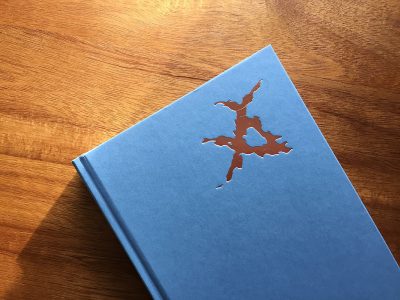
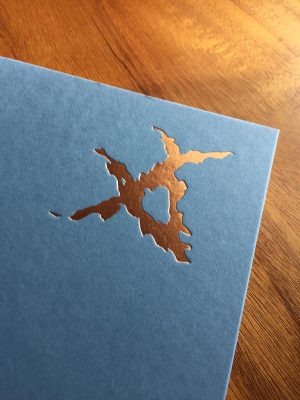
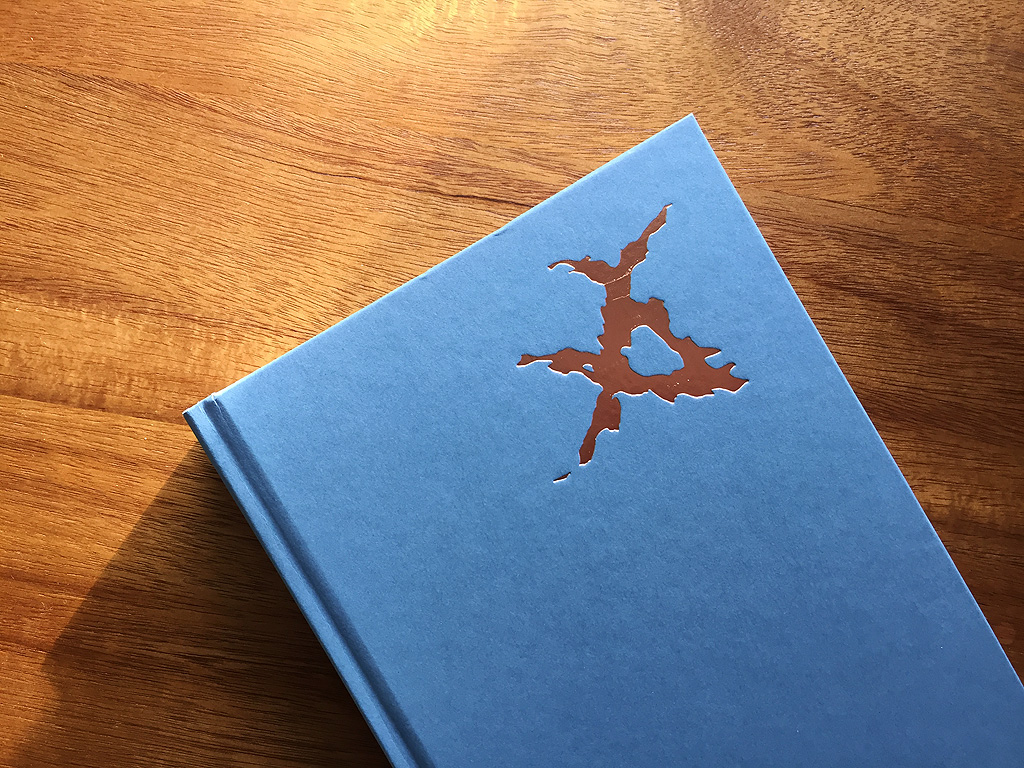
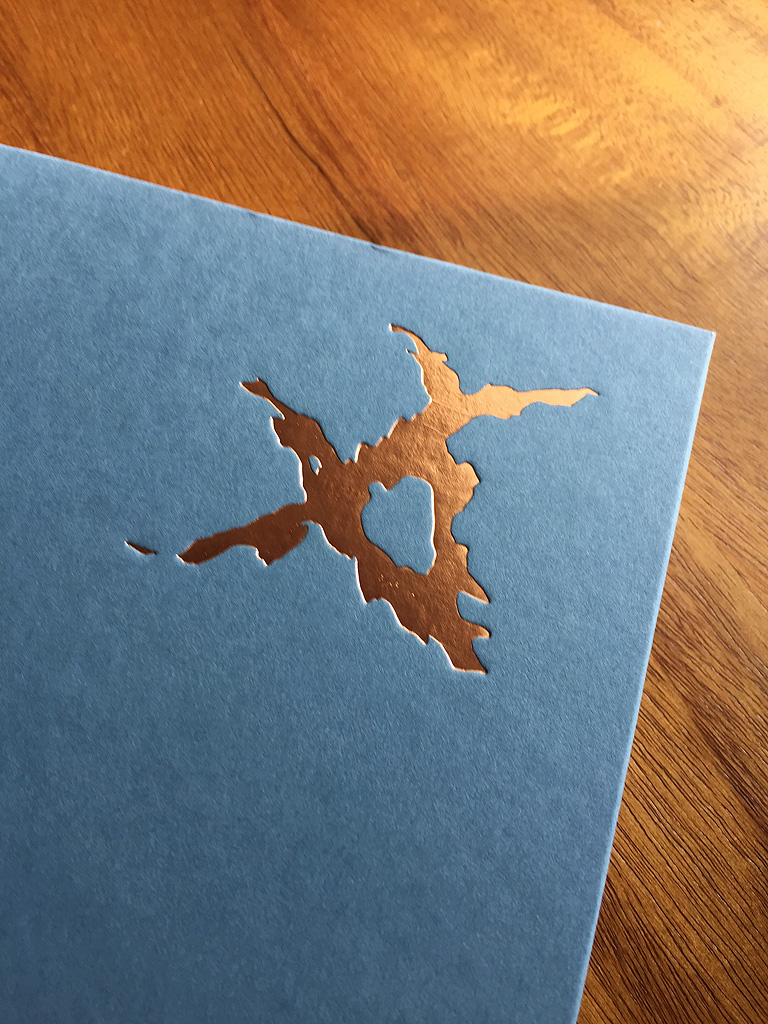
Absolutely fascinating NYTimes article about how a hefty, pricy (list price $195), luxuriously crafted (”the book is partly hand-bound, uses two different kinds of custom-made paper and is printed in Italy”) reproduction of Carl Jung’s illustrated, hand-written The Red Book has been selling astoundingly well. It’s sold out in many locations and has garnered three more printing runs, despite understandably low initial expectations for its success. The article is a rather heartening read, even if it’s not indicative of the book industry’s success in general. Also, the book looks gorgeous, needless to say.

Alas, though, for Carl Jung, because when I think of him now, the first thing that comes to mind is his appearance as Tiny Carl Jung in the hilarious, bizarre nerdfest of a webcomic that is Dresden Codak.

I hope everyone is having a happy holiday!

- E

Tags: ,

After going on for so long about subjective truth and retrospective reconstruction of experience in my review of The Red Tree, I was highly amused when what I picked up to read after finishing the review turned out to have some highly relevant passages. From Michael S. Gazzaniga’s “The Split Brain Revisited” (Scientific American, 1998), a section reviewing research on false memories (emphases mine):

There are several views about when in the cycle of information processing such memories are laid down. Some researchers suggest they develop early in the cycle, that erroneous accounts are actually encoded at the time of the event. Others believe false memories reflect an error in reconstructing past experience: in other words, that people develop a schema about what happened and retrospectively fit untrue events–that are nonetheless consistent with the schema–into their recollection of the original experience.

The left hemisphere has exhibited certain characteristics that support the latter view. First, developing such schemata is exactly what the left hemisphere interpreter excels at. Second, Funnell has discovered that the left hemisphere has an ability to determine the source of a memory, based on the context or the surrounding events. Her work indicates that the left hemisphere actively places its experiences in a larger context, whereas the right simply attends to the perceptual aspects of the stimulus. Finally, Michael B. Miller, a graduate student at Dartmouth, has demonstrated that the left prefrontal regions of normal subjects are activated when they recall false memories.

These findings all suggest that the interpretive mechanism of the left hemisphere is always hard at work, seeking the meaning of events. It is constantly looking for order and reason, even when there is none–which leads it continually to make mistakes. It tends to overgeneralize, frequently constructing a potential past as opposed to a true one.

Read the rest of this entry »

Filthy lucre

I’ve always been curious about the logistics of actually trying to make a living off of being an author (a sci-fi/fantasy author in particular, of course), so a couple of blog posts, both recent and older, have been particularly interesting and informative in this respect:

I hope these kind of link aggregations aren’t too overwhelming (or irritating); I like compiling them as much for my own reference as for the purposes of propagating interesting links.

Go to:
John Scalzi
Catherynne Valente

Tags: ,

“Change, change, change: Sandman and the ’90s”

I’ve had this link in my bookmarks-to-follow-up-on forever, but didn’t get around to checking it out till now, and thoroughly enjoyed it. It’s an essay about Neil Gaiman’s The Sandman by the (unnamed?) blogger of Grand Hotel Abyss, and it does a number of wonderful things. One, it elegantly examines the series’ central conflict - how to cope with change - and the ways in which the series’ characters choose to meet that conflict. I’ve always had trouble taking a step back from works and simply synthesizing like this, especially when the work in question is as sprawling, loopy, and multi-layered as Sandman, so I love finding lucidly written essays like this one that help give me a better vantage point.

Two, it considers the series’ characters in light of the particular tensions and concerns of the 90’s, of which it’s often considered an emblematic work. Of course this is only one reference frame within which to examine the series, but as someone whose knowledge of Culture stalled somewhere in the middle of 19th-century France, I found it a very useful and approachable introduction to the series’ immediate literary relevance. (I am yearning to say something about zeitgeist here, but I’m trying to establish an academic buzzword limit, especially since the essay itself segues into some discussion of pre- and postmodernism - though gracefully, I think.)

Three, it considers the series from the perspective of someone who first read the series at 16, and probes the question of why, like so many 16-year-olds at the time, she found the series so relevant - and how that same reader, 10 years older and wiser, feels about it now.

Read the rest of this entry »

Tags: , ,

« Older entries